












Cleanroom labels optimized for your operational needs
CleanMark’s cleanroom labels protect your sensitive environments and are tailored to your exact operational needs so you know they’ll function flawlessly.
Order now
- Give us some initial information
- Review and test your label
- Production and shipping
What is a cleanroom label?
Our cleanroom labels are always low-particle, low-outgassing, and residue free, and then we customize to align with your unique processes and environments. From sterile cleanroom labels to chemical resistance and extreme temp durability, our team can engineer a high-performing label for your most challenging contexts.
Low particle generation
CleanMark’s cleanroom labels are processed in our own cleanroom from materials designed to prevent particle shedding.
Low outgassing materials
Our low-outgassing materials protect clean environments from VOCs and other contaminating gasses.
Residue-free adhesion
CleanMark’s specialized adhesives prevent residue that could trap contaminating particles.
When to choose cleanroom labels
Here are just a few of the labeling situations that call for a cleanroom-compatible labeling solution.
Our most popular cleanroom labels
Choose one of these popular labels, or work with our R&D team to create a fully customized solution.
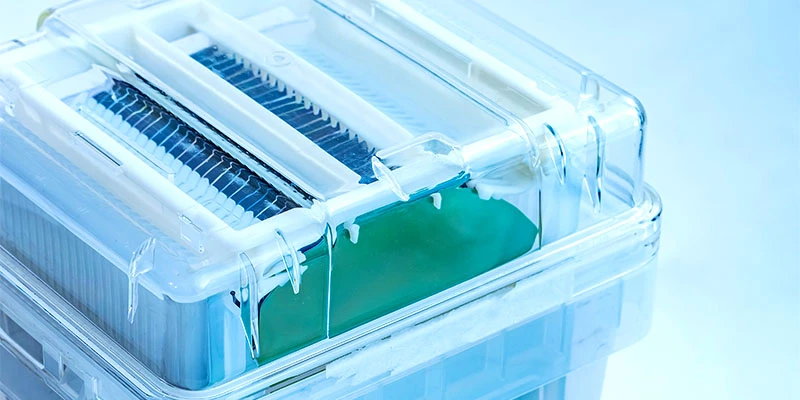
Wafer box labels
for reliable tracking with no sticky residue
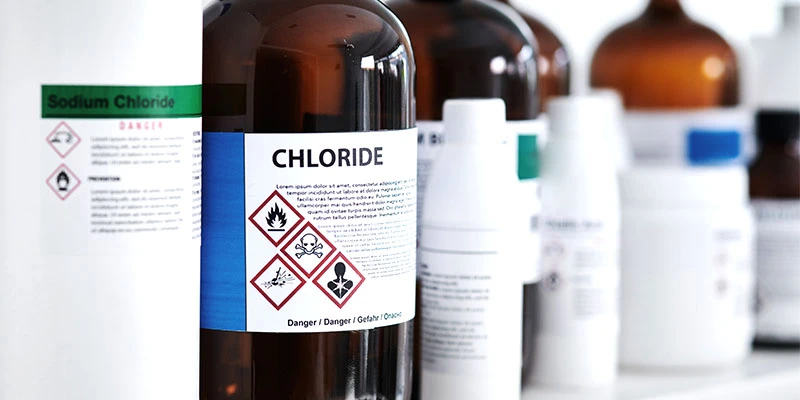
Chemical labels
to increase safety and support compliance
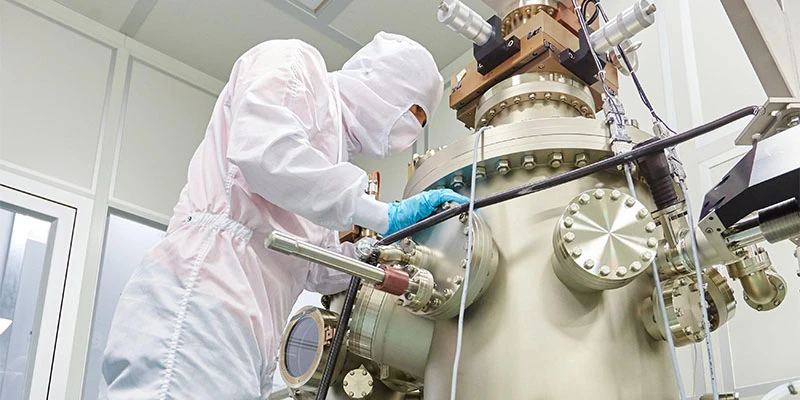
Equipment and tracking logs
to boost efficiency and reduce risk
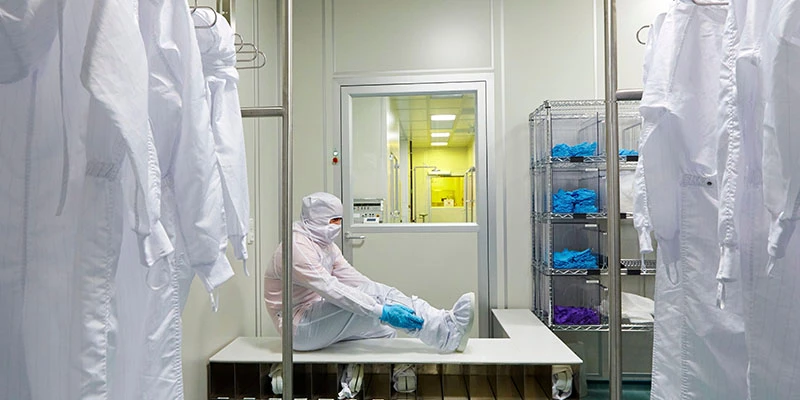
Gowning room labels
to speed operations and ensure safety

Product tracing labels
for audit readiness and manufacturing efficiency
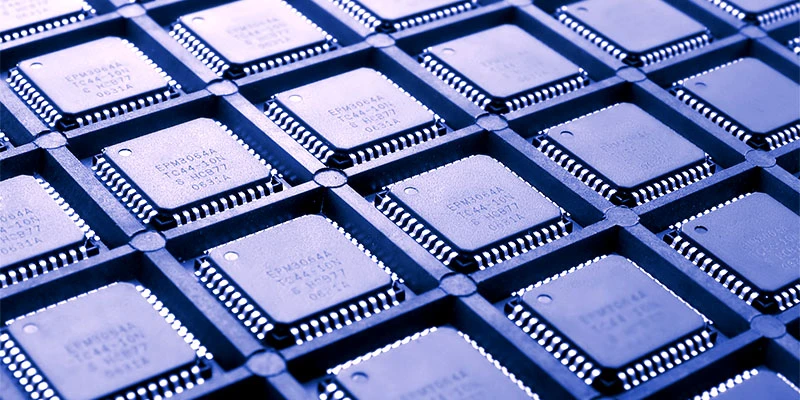
Waffle tray labels
to reduce errors and increase productivity
Cleanroom vs. standard labels
Contamination is the obvious need that drives cleanroom label purchase, but there are other factors just as important.
| Cleanroom labels | Standard labels | |
|---|---|---|
| Particle generation | Engineered to minimize particle shedding | Not controlled for particle generation |
| Outgassing behavior | Qualified materials with low outgassing | Outgassing performance varies by material |
| Residue on removal | Designed for clean, residue-free removal | Residue risk depends on adhesive and dwell time |
| Cleanroom protocol compatibility | Suitable for ISO-classified environments | Not designed for controlled environments |
| Exposure to disinfectants | Materials selected to tolerate wipe-downs and cleaning agents | Performance varies; degradation is common |
| Use in audits and validation | Supports documented contamination controls | Limited or no validation support |
| Appropriate use case | Controlled environments, aseptic workflows, cleanroom assets | General industrial or non-controlled applications |
Configured for high performance
From wipe-down cycles to LSE surfaces, our technical services team works with purpose-built materials and construction techniques to ensure top label performance.
| Use factor | Design features |
|---|---|
| Removal frequency | Clean-removal adhesives release without residue. and tear-resistant film facestocks ensure labels remove in one piece. |
| Chemical exposure | Chemically resistant film facestocks with protective topcoats or laminates keep printed information intact through solvent or disinfectant exposure. |
| Wipe-down cycles | Abrasion-resistant coatings and durable print technologies withstand repeated IPA or disinfectant wiping. |
| Temperature ranges | Facestock films and adhesive systems are selected for stability across the required temperature range, preventing adhesive failure, shrinkage, or print distortion. |
| Surface energy | Adhesive formulations are matched to the substrate, with specialized adhesives used to bond reliably to low-energy plastics common in cleanroom trays and containers. |
| Application method | Stable liners, consistent release coatings, and tight roll tolerances let labels feed reliably through automated or semi-automated application systems. |
| Print method | Print-compatible topcoats produce durable, legible text that resists chemicals and abrasion. |
Cleanroom labels improve your results
CleanMark’s cleanroom labels are designed for durability, reliability, and seamless integration into your processes so you never face delays or contamination.
Boost process efficiency
Clean, durable labeling ensures accurate identification of equipment, materials, and workflows in sensitive areas — reducing errors and improving operational efficiency.
Prevent contaminating residue
Adhesive residue can compromise cleanroom integrity. CleanMark’s specialized cleanroom label adhesives offer residue-free adhesion — whether permanent, temporary, or removable — so your surfaces stay clean.
Dependable identification
From tracking critical components to labeling sterile packages, CleanMark’s cleanroom labels can be designed to withstand the toughest environments while remaining legible and adhered.

ISO 9001:2015 compliant
Our cleanroom labels are engineered to excel in controlled environments, adhering to ISO-5 cleanroom standards by providing ultra-low particle and residue-free performance. CleanMark is an ISO-certified facility, and our cleanroom compatible labels are produced in a Class 100 environment.
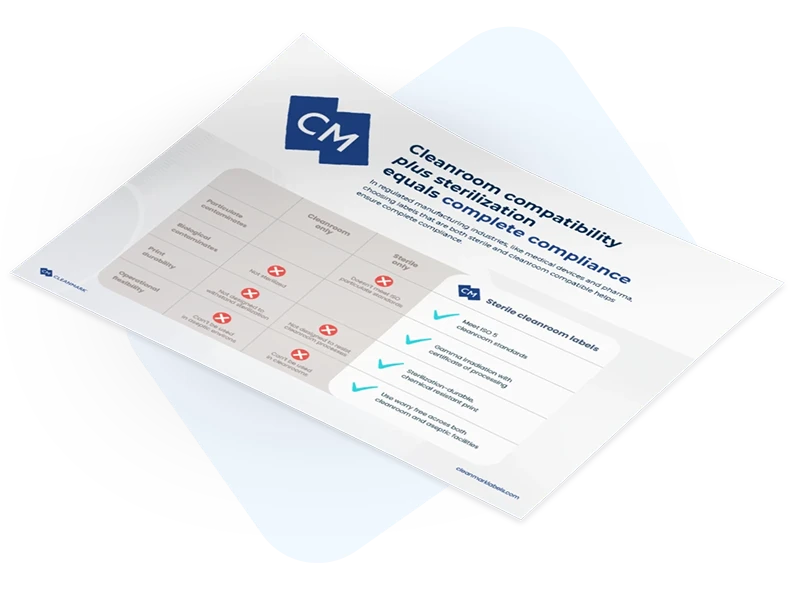
Get the best of both labels: cleanroom compatible and sterile
Highly regulated products often pass through both clean and aseptic environments during manufacturing. CleanMark dual-purpose clean, sterile labels give you the best of both worlds, ensuring compliance, minimizing risk, and speeding production.

Get better cleanroom labels today
Common fail-points of cleanroom labels
If you’re not using a cleanroom compatible label designed by an industry expert like CleanMark, odds are you’ve experienced at least one of these failures.

Fiber shedding
- What happens: Paper facestocks and liners shed fibers when labels are handled, dispensed, or torn from the liner during application.
- Why it occurs: Paper materials are inherently fibrous. Normal handling (peeling, tearing, or separating labels from liners) releases fibers.
- Why it matters: Released fibers can be carried into cleanroom environments, settle on products or equipment, or contribute to elevated particle counts, triggering investigations, re-cleaning, or process interruptions.
- Design fix: Synthetic, low-shedding facestocks and liners engineered to minimize particle generation during handling and application, not just during use.

Particulate contamination
- What happens: Labels arrive with dust, debris, or other particulates on the surface or accumulate contamination while staged prior to application.
- Why it occurs: Labels aren’t cleaned as part of the manufacturing process. Packaging doesn’t protect labels from particulate contamination during transit or storage. Open handling or staging between printing and application allows environmental debris to settle on exposed label surfaces.
- Why it matters: Surface contamination can be carried directly into cleanroom environments, increasing particle counts, forcing label disposal, or triggering investigations, resulting in rework, delays, and reduced compliance confidence.
- Design fix: Labels should be cleaned and packaged in protective, contamination-controlled bags designed to maintain cleanliness through transit, staging, and handling, not just during application.
Adhesive residue
- What happens: When cleanroom labels are removed from a surface, adhesive residue remains, often not discovered until inspection, cleaning, or changeover.
- Why it occurs: Adhesives were selected for initial adhesion but not engineered for clean release from surface material after extended dwell time or environmental exposure.
- Why it matters: Residual adhesive can trap particles, require additional cleaning, or force labeled items to be replaced.
- Design fix: Low-residue, clean-release adhesive systems validated specifically for substrate, dwell time, and removal conditions prevent contamination and rework.
Explore other CleanMark cleanroom and sterile products

Cleanroom tape
Useful for sealing packaging and protective garments and marking floors

Cleanroom tags
Flexible, contamination-free identification

Sterile labels
Irradiated to eliminate microbial contamination

Autoclave indicator labels
Easy-to-read results based on steam, temperature, and time

ETO indicator labels
Indicate successful sterilization by ethylene oxide gas

Gamma indicator labels
Change color to indicate sterilization by gamma radiation
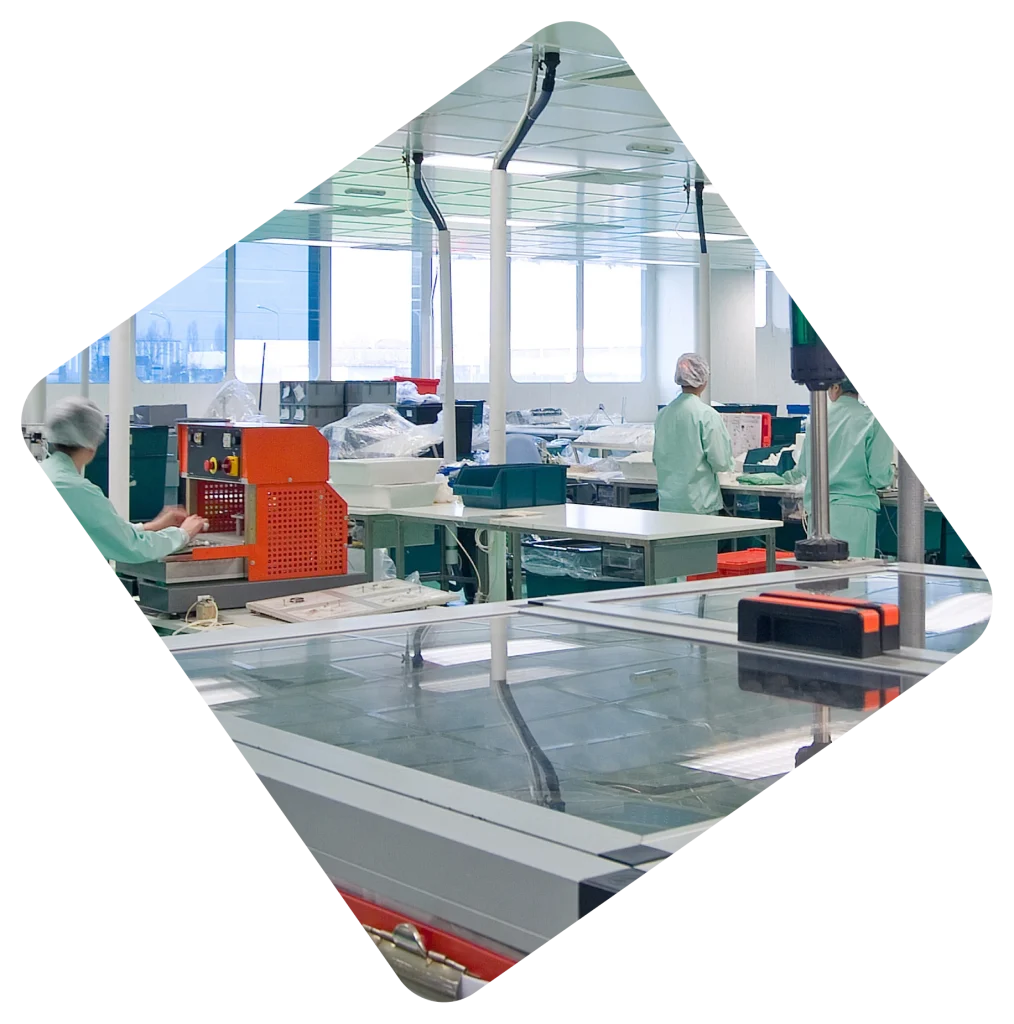
Join the list of innovative companies partnering with CleanMark
Looking for more information about labeling technology and applications?
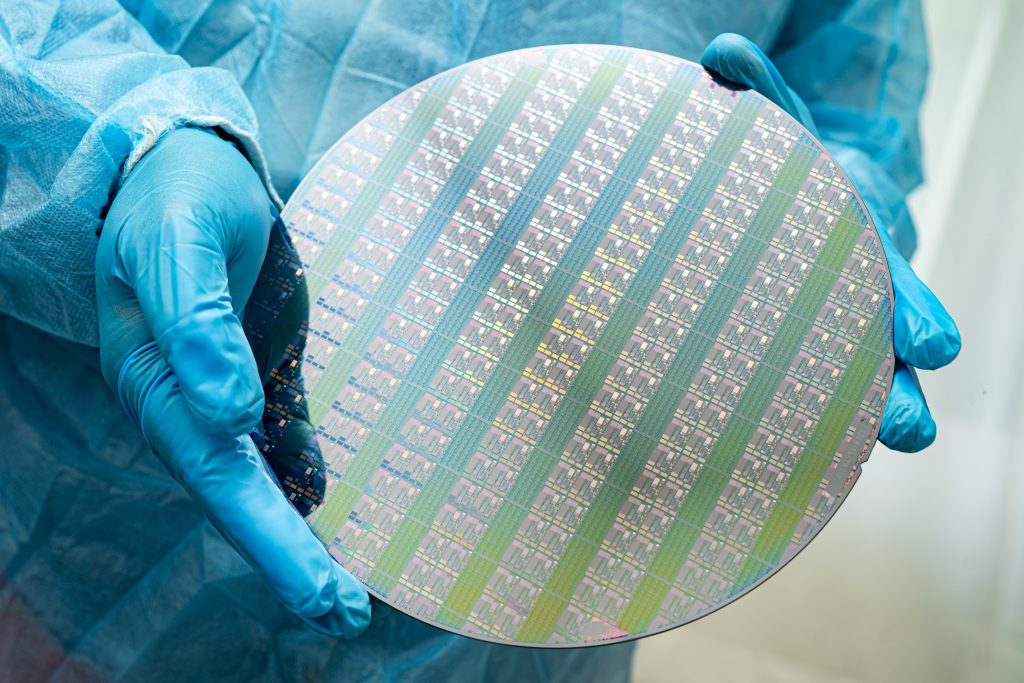
Semiconductor clean room labels ensure traceability, compliance, and contamination control

Medication labels: why customization matters
What is the ISO standard for implantable medical device labeling requirements?
Stay up to date on the latest cleanroom label technology
From new materials to advances in adhesives, we’ll keep you informed about technology that can make your processes run more smoothly.
Have more questions? We have answers!
Read on for answers to our customers’ most common questions.